
Introduction to 2025 series of short stories.
Dalang published Footprints / Tapak Tilas, the 49 short-story, bilingual compilation in 2022. The publication celebrated our tenth anniversary and acknowledged the contributing 44 authors and 18 translators. This launch resulted in the seven short stories to be featured here in 2025.
Each of these short-story authors represents one of the seven areas Indonesia is known for.
During the Footprints / Tapak Tilas launch event in each region, we asked the audience for questions and offered a competition. The most in-depth question submitted, that would help an up-and-coming author or translator, would win and receive a copy of Footprints / Tapak Tilas. The winners were requested to write a short story and promised that the professionally edited work and its translation would be featured on our website.
These authors are mostly young, aspiring writers with a keen interest in literature and sense of nationalism. We hope that being published on our website will give them a foothold into the literary world and inspire them to continue the journey with their writing muse.
Our stories are not only geared to develop writing skills, but are also aimed at nurturing Indonesian literature with the hope of breaking through international walls. As for our foreign readers, we hope our stories bring enlightenment regarding Indonesian customs, culture, history, and society. For the Indonesian readers, we hope to awaken and/or nurture a sense of pride in their home country and the bounty it has to offer.
A recording of the events can be found at:
https://sites.google.com/view/bincangsastra-eng/beranda
Junaedi Setiyono
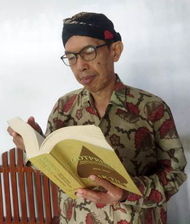
Junaedi Setiyono received a scholarship from Ohio State University to conduct research as part of his doctorate degree in language education, which he received in 2016 from the State University in Semarang, Central Java. He felt being part of Dalang Publishing after he was entrusted with the edit of Lolong Anjing di Bulan (Sanata Dharma University Press 2018), a novel by Arafat Nur, and the translation of two short stories: Mengenang Padewakkang, by Andi Batara Al Isra, and Ketuk Lumpang, by Muna Masyari — both published in 2022 in Dalang’s Footprints/Tapak Tilas, a bilingual short story compilation.
Setiyono’s most recent assignment — to edit the 2025 series of six short stories to be published in installments on Dalang’s website — gave him the opportunity to improve his own writing skills, including accurate word placement, appropriate sentence structure, and careful examination of the storyline’s plausibility as composed by the author.
Dalang has published two of Setiyono’s novels: Dasamuka (Penerbit Ombak 2017) and Tembang dan Perang (Penerbit Kanisius 2020).
Setiyono teaches writing and translation at his alma mater, the Muhammadiyah University of Purworejo. He received three awards for Dasamuka from: the Jakarta Arts Council; the Indonesian Ministry of Education and Culture; and the Southeast Asian Literature Council.
Junaedi Setiyono: junaedi.setiyono@yahoo.co.id
Terre Gorham
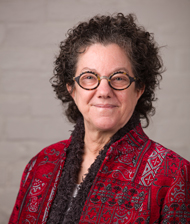
Terre Gorham has spent her entire life coaxing words to sing. Briarcliff Elementary School “published” her first short story when she was in 2nd grade. She went on to earn a degree in writing. She freelanced her work until she landed a full-time job as editor of The Downtowner Magazine, in Memphis, TN, where she wrote, edited, and guided young writers for more than 20 years. Gorham has ghost-written a novel for a non-profit organization that helps abused women. She joined Dalang Publishing in 2017 as the English language editor. Her words have been published in hundreds of publications. She is currently working for an event production company where she edits documents ranging from client presentation decks to policy manuals. Now, nearing “retirement age,” she continues her editing work on a freelance basis once again.
Terre Gorham: terregorham@gmail.com
Nyanyian Gasing

Tria Oktafiana was born in Probolinggo, East Java. She is currently employed as an Indonesian language teacher at the SMP Negeri 41 in Purworejo. She enjoys organizing literary reading and writing events at her place of work. Tria has always loved to write poetry and short stories. Akar Serumpun Anyaman Rasa (SIP Publishing Indonesia 2025) was published as a part of the three country poetry festival: Festival Puisi Tiga Negara — Indonesia, Malaysia, and Singapore.
Tria’s writing originates from simple, every-day experiences which she transforms into interesting short stories.
Tria Oktafiana can be reached at: triaoktafiana56@gmail.com
*****
Nyanyian Gasing
Di tengah gasing kekinian yang ringan dan mengejar kecepatan, gasing bambu Desa Kaligondang tetap kokoh berdengung. Pagi itu, Desa Kaligondang belum sepenuhnya terjaga, tetapi tanda-tanda kehidupan telah tampak. Asap dapur mengepul perlahan dari rumah-rumah bambu, menyatu dengan embun yang masih menggantung di ujung dedaunan. Di tanah lapang yang lembap oleh sisa embun malam, gasing-gasing bambu tergeletak rapi.
Gasing bukan sekadar mainan, melainkan penanda adat yang diwariskan para leluhur. Setiap putarannya dipercaya membawa doa, setiap dengungnya menyimpan pesan tentang keseimbangan hidup, sebagaimana kebiasaan yang terus dijaga di Lembah Manah, di kaki Perbukitan Menoreh dekat aliran Sungai Bogowonto.
Sejak masa utusan Majapahit masih melintasi jalur-jalur tua di wilayah selatan Jawa, gasing telah memiliki tempat istimewa dalam kehidupan masyarakat Kaligondang. Ketika musim panen usai dan pekerjaan ladang mereda, warga berkumpul di tanah lapang untuk menyaksikan pertandingan gasing. Bukan untuk bertaruh atau mencari keuntungan, melainkan untuk merayakan kebersamaan. Anak-anak belajar ketekunan dengan menyaksikan pemain yang lebih tua bertanding, sementara para pemuda turun ke gelanggang mempertaruhkan kehormatan kampung dalam setiap putaran gasing. Dari sanalah mereka ditempa menjadi pribadi yang berani, jujur, dan lapang dada, sedangkan para sesepuh mewariskan kisah-kisah leluhur di sela-sela dengung gasing yang berputar. Karena itulah, bagi warga Kaligondang, gasing bukan sekadar warisan benda, melainkan warisan nilai yang menjaga persaudaraan desa secara turun-temurun.
Namun, itu dulu, beberapa dasawarsa lalu. Seiring berjalannya waktu, kebersamaan itu sedikit demi sedikit luntur dan berubah menjadi persaingan. Selanjutnya, persaingan itu akhirnya secara pelan tetapi pasti dikemas warga desa menjadi pertandingan yang menghasilkan sang pemenang dan si pecundang.
Arya tumbuh besar dengan bunyi dengung gasing. Ayahnya adalah perajin gasing bambu terbaik di desanya. Arya duduk di dekat ayahnya. Matanya mengikuti setiap tahap pembuatan gasing. Ayah memilih bambu wulung, lalu mengetuknya pelan hingga terdengar bunyi yang padat. Dengan berbagai alat, seperti gergaji, pisau raut, dan pahat kecil, ayah membentuk ruas bambu itu menjadi badan gasing yang seimbang, lalu memasang poros runcing pada bagian bawahnya sebagai titik putar. Arya memperhatikan setiap bagian yang dirapikan agar gasing dapat berputar tegak dan bertahan lama. Setelah diamplas, diasapi dan diolesi minyak kelapa, gasing berwarna hitam pekat itu berkilau. Arya belajar bahwa gasing yang baik dibuat dengan teliti dan menggunakan bahan serta alat yang tepat.
Karung gasing bergoyang di punggung Arya. Tubuh laki remaja itu kurus seperti ranting bambu. Kakinya melangkah cepat membelah hamparan sawah hijau. Tangannya menggenggam gasing bambu kesayangan berwarna hitam pekat. Dia menamainya Garuda Terbang. Arya berlari menuju lapangan desa. Langkahnya memecah tanah yang masih lembap oleh embun pagi. Dadanya naik turun, napasnya terpotong-potong mengikuti derap kakinya. Dia berhenti sejenak di tepi lapangan untuk menyeka kening dengan punggung tangan, lalu tersenyum tipis saat melihat lima anak telah berdiri melingkar. Gasing-gasing mereka tergeletak di tanah, menunggu disentuh. Begitu Arya melangkah mendekat, tatapan mereka serempak tertuju kepadanya, tanda latihan akan segera dimulai. Suara ayahnya masih terngiang di telinga Arya. “Gasing bukan sekadar mainan, Arya. Gasing adalah jiwa leluhur kita. Setiap putaran membawa doa. Setiap dengung menyimpan cerita.” Arya mengerti makna pesan itu. Dia selalu menyimpan Garuda Terbang dengan baik dan membersihkannya setelah digunakan.
Ilham, teman mengaji Arya ikut mendekat. “Arya, ajari aku melempar yang benar. Gasingku tidak pernah menang.”
“Baik,” ujar Arya. Dia berdiri tegak di hadapan Ilham menunjukkan cara memegang gasing. Seperti yang diajarkan ayahnya, Arya memasang kuda-kuda yang kokoh dan sedikit menekuk lutut. Gasing bambu dengan luas lingkaran sekitar sepuluh sentimeter itu dipegangnya dengan mantap. Tali sepanjang hampir satu meter dililitkan rapat dari bagian bawah badan gasing hingga mendekati puncaknya. Panjang tali tersebut memberikan tenaga putar yang kuat sekaligus menjaga keseimbangannya. Dengan satu gerakan yang terlatih, Arya melemparkan gasing ke tanah sambil menarik ujung tali dengan cepat. Gasing itu melesat turun, menyentuh tanah, lalu berputar tegak dengan dengung nyaring yang terdengar merdu di telinga. Ilham memperhatikan setiap gerakan Arya tanpa berkedip. Semua itu terlihat tampak mudah, padahal untuk dapat melakukan hal itu Arya sudah berlatih bertahun-tahun.
Hampir setiap sore Arya berbagi ilmu yang diwariskan ayahnya dengan teman-temannya.
***
Suatu sore, seorang anak laki-laki dari Karangmojo berlari memasuki lapangan Kaligondang. Wajahnya basah berkeringat. Napasnya tersengal-sengal. Warga yang sedang berkumpul menoleh ke arahnya. Anak itu berhenti di tengah lapangan, lalu dengan berteriak, “Kaligondang! Karangmojo menantang kalian!” membawa kabar dari perkumpulan pemain gasing Karangmojo.
Kabar itu mengguncangkan lapangan Kaligondang. Anak-anak Kaligondang menghentikan permainan mereka. Mereka mengelilingi utusan Karangmojo.
“Kami akan mengadakan pertandingan gasing akbar. Karangmojo melawan Kaligondang. Minggu depan di lapangan tengah,” jelas utusan itu.
Seorang anak berbisik pada Arya. “Karangmojo terkenal tangguh. Pemain mereka berpengalaman. Gasing mereka terbaru.”
Arya merapatkan bibirnya. Dia tahu pertandingan itu bukan sekadar permainan, melainkan juga membawa nama baik desanya. Tidak lama kemudian, Lurah Mangun Martono datang dari jalan kecil di tepi lapangan. Tubuhnya masih tegap meski rambutnya mulai memutih. Dia mengenakan surjan lurik dan ikat kepala hitam. Anak-anak perlahan menyingkir memberi jalan. Lurah Mangun Martono berhenti di hadapan utusan Karangmojo. Wajahnya tenang saat menatap anak-anak yang berkumpul, lalu beralih kepada sang utusan. “Kami terima tantangan itu,” katanya. Kemudian, Lurah Mangun Martono melangkah setapak mendekat. “Kaligondang tidak pernah lari dari tantangan,” lanjutnya tegas.
Wibawa Lurah Mangun Martono tumbuh dari sikapnya yang adil dan keberaniannya menanggung akibat dari setiap pilihannya. Dia bukan pemimpin yang gemar bicara panjang. Ketika dia menerima tantangan dari Karangmojo, dia tahu bahwa itu bukan sekadar pertandingan gasing melainkan pernyataan bahwa Kaligondang pantang mundur.
Anak-anak menoleh bersamaan. Suara itu memotong kegelisahan yang hadir di lapangan. “Kalian tidak perlu gelisah,” kata Lurah Mangun Martono. “Tantangan yang datang akan kita hadapi bersama.” Suasana yang semula tegang perlahan mereda. Anak-anak memandang lurah mereka dengan penuh keyakinan.
Utusan Karangmojo tersenyum tipis. “Baiklah,” katanya. “Kami akan menunggu Kaligondang di gelanggang pertandingan. Semoga kalian datang dengan pemain terbaik.”
Wajah anak-anak Kaligondang memerah. Merasa tertantang.
Pertemuan desa diadakan malam itu juga. Warga berkumpul di balai desa. Lurah Mangun Martono berdiri di depan.
“Kaligondang tidak boleh kalah. Kita harus mempertahankan kehormatan desa,” kata Lurah Mangun Martono dengan nada sungguh-sungguh. Lurah Mangun Martono melangkah mendekati Arya. Dia meletakkan tangan kanannya di bahu anak itu, lalu berkata pelan, “Arya, kau tahu kenapa gasing selalu dijaga di Kaligondang?”
Arya mengangkat kepala perlahan, lalu menggeleng ragu. Lurah Mangun Martono tersenyum tipis sebelum kembali berbicara. “Leluhur desa ini pernah diajari seorang pengelana tua tentang cakra urip — roda kehidupan. Artinya, manusia harus seperti gasing. Tetap tegak meski dunia berputar keras.” Lurah berhenti sejenak. “Sejak saat itu, gasing bukan hanya permainan bagi Kaligondang. Dengungnya adalah kehormatan.” Arya menunduk diam.
“Kalau gasing jatuh karena kehilangan keseimbangan, desa ini juga bisa jatuh kalau anak mudanya kehilangan keberanian,” lanjut Lurah Mangun Martono. “Karena itu, besok kau bukan hanya bermain untuk menang. Kau membawa nama leluhur Kaligondang.” Ruangan mendadak hening.
Semua mata tertuju pada Arya. Dia duduk di pojok ruangan. Tubuhnya gemetar bukan karena dia penakut, melainkan karena beban besar yang tiba-tiba dipikul di pundaknya. Meski demikian, tekadnya tidak goyah. Seumur hidup, Arya hanya bermain gasing di tanah lapang bersama teman-temannya. Namun malam itu, untuk pertama kalinya dia merasa dirinya membawa harga diri seluruh desa.
“Arya adalah pemain terbaik kita. Dia harus mewakili Kaligondang,” sambung Lurah Mangun Martono dengan suara tegas.
Arya menarik napas panjang. Tanggung jawab itu terlalu besar untuknya. Kepalanya terasa berat. Dia merasa suasana hari-hari selanjutnya bakal mencekam. Arya berlatih keras setiap pagi. Dia melempar Garuda Terbang berulang kali. Kulit telapak tangannya mengelupas, memerah oleh gesekan tali yang ditarik tanpa henti. Bahunya menegang, punggungnya terasa kaku seolah dipaku. Namun, setiap kali gasing itu berputar tenang di tanah, Arya mengatupkan gigi dan kembali bersiap, menolak berhenti. Di sudut desa, bisik-bisik mulai terdengar. Warga membicarakan gasing Karangmojo yang lebih mutakhir. Mereka meragukan gasing bambu Kaligondang.
“Gasing plastik Karangmojo lebih ringan. Banyak warga penasaran seperti apa putarannya di gelanggang nanti,” kata seorang ibu di pasar.
“Aku pernah melihat warga Karangmojo bermain saat perayaan panen di desanya. Mereka memainkan gasing dengan sangat terampil,” timpal seorang petani tua sambil menggeleng pelan.
Pembicaraan warga itu akhirnya sampai ke telinga Arya. Dia berhenti melangkah. Bahunya merosot, dan pandangannya tertuju pada gasing di tangannya. Jarinya mengusap permukaan bambu yang mulai kusam. Dia ragu apakah putaran Garuda Terbang masih sekencang keyakinannya.
Suatu siang, Arya berlatih sendirian di lapangan. Dia mencoba melempar Garuda Terbang dengan berbagai cara. Meskipun putaran gasingnya sudah cukup baik, tetapi Arya merasa belum mencapai hasil yang diinginkannya.
“Kenapa aku belum bisa lebih baik?” gumamnya pelan sambil memandang gasing di tangan. “Maafkan aku,” bisiknya sambil menggenggam erat gasing itu. Bayangan pertandingan yang semakin dekat memenuhi pikirannya. Arya mengembuskan napas panjang dan duduk di tepi lapangan.
Ketegangan memuncak saat anak-anak Karangmojo datang berlatih di perbatasan desa. Mereka sengaja memamerkan gasing plastik mereka yang berkilau.
“Lihat gasing kami! Buatan terbaru! Kami membelinya di kota! Kalian masih pakai gasing terbuat dari bambu tua?” ejek Bayu, pemain terkuat Karangmojo.
“Gasing bambu kalian kuno! Berat! Lambat!” sambung temannya sambil tertawa.
Ejekan itu meninggalkan luka. Arya pulang dengan langkah pelan. Dia menatap gasing di tangannya dengan tajam. Genggamannya melemah, dan kepalanya menunduk sepanjang jalan pulang.
Malam itu, Arya duduk di dalam kamarnya. Dia menatap Garuda Terbang yang tergeletak di meja. Pikirannya kacau. Bayangan kekalahan menghantui benaknya.
Ayahnya mengetuk pintu. “Apa yang kamu ragukan, anakku?” tanya ayahnya lembut lalu duduk di samping Arya.
“Gasing mereka lebih canggih, Ayah. Gasing bambu kita ketinggalan zaman,” Arya menjawab dengan suara parau.
Ayahnya tersenyum lembut. Dia mengambil Garuda Terbang dari atas meja. Tangannya membelai permukaan bambu yang halus.
“Gasing ini punya jiwa, Arya. Plastik hanya punya bentuk. Bambu punya riwayat. Bambu punya cerita. Ingat pesanku: gasing menari mengikuti irama angin. Dia berputar mengikuti kehendakmu. Dia berhenti pada takdirnya.”
“Tapi bagaimana jika aku kalah, Ayah? Bagaimana jika aku mengecewakan orang-orang Kaligondang?” suara Arya bergetar.
Ayahnya menatap Arya dengan penuh kasih sayang. “Kemenangan sejati bukan tentang mengalahkan lawan. Kemenangan sejati adalah ketika kamu tetap memegang nilai-nilai yang benar, apa pun hasilnya.”
Arya menatap gasingnya. Dia ingin percaya kata-kata ayahnya. Namun, keraguan masih membelenggu hatinya.
***
Malam sebelum pertandingan, Arya tidur lebih awal. Bahunya pegal seharian berlatih, sementara pikirannya dipenuhi bayangan pertandingan. Dia tertidur dengan gasing di genggamannya. Dalam mimpinya, dia berada di lapangan kosong. Garuda Terbang berputar di samping gasing lain — gasing yang mengilap dan ringan milik Bayu dari Karangmojo. Tidak ada benturan. Keduanya berputar berdampingan, mengeluarkan dengung yang selaras menenangkan.
“Maafkan kami, Arya. Kami harus datang di mimpi Arya,” suara lembut itu berasal dari Garuda Terbang.
Arya tercekat. Mencoba mencerna, apakah ini sebuah kenyataan atau hanyalah mimpi semata.
“Arya, ini temanku, Petir Selatan. Dia milik Bayu dari Karangmojo.”
Gasing plastik berkilau itu berbicara. “Salam, Arya. Kami datang dengan pesan penting.”
“Pesan apa?” Arya menyahut penasaran.
“Kami telah bersepakat. Besok tidak ada yang menang. Tidak ada yang kalah. Kami tidak akan bertabrakan untuk menjatuhkan satu sama lain ,” jelas Garuda Terbang.
“Tapi pertandingan ini penting. Desa kami harus menang,” teriak Arya dengan suara bergetar. “Semua warga berharap Kaligondang bisa menjaga kehormatannya. Leluhur kami berbeda dengan leluhur Karangmojo. Sejak dahulu, kedua desa kerap beradu kemampuan dalam berbagai pertandingan rakyat. Kalau kami dianggap menyerah, orang-orang akan mengira leluhur kami sudah kehilangan harga dirinya.”
Petir Selatan berputar pelan. “Kami paham, Arya. Tapi kami punya tujuan lebih tinggi. Kami akan bernyanyi tentang keindahan. Kami akan menari merayakan kedamaian.”
“Kami akan menunjukkan bahwa persaingan bukan segalanya. Kerukunan lebih berharga. Kebersamaan lebih indah,” tambah Garuda Terbang dengan nada hangat.
Hati Arya tersentuh. Semua keraguan dan ketakutannya perlahan mencair.
“Lihatlah, Aku bambu kuno. Ia plastik masa kini. Kami berbeda. Tapi kami mampu bersahabat. Kami tidak perlu bertarung untuk membuktikan kehebatan,” Garuda Terbang berputar lembut mengitari Petir Selatan.
Arya mengangguk pelan. Dia mulai mengerti. “Kalian benar. Aku terlalu bersemangat pada kemenangan. Aku lupa makna pertandingan ini sebenarnya.”
Dua gasing itu berdengung merdu. Keselarasan suara mereka terdengar. Arya merasa tenang. Namun, sebagaimana kebanyakan mimpi-mimpi Arya lainnya, mimpi itu tidak diingatnya lagi begitu dia bangun dari tidurnya.
***
Satu pekan berlalu. Acara tahunan yang sudah jadi sebuah kebiasaan kini telah tiba waktunya. Cerahnya Minggu pagi ini turut mewakili perasaan warga yang sudah menanti. Pertandingan gasing itu berlangsung setelah panen padi usai dan menjadi sebuah perayaan yang dinanti. Biasanya, warga Kaligondang, Karangmojo, dan beberapa desa di sekitarnya akan berkumpul di lapangan tengah untuk menyaksikan pertandingan. Lapangan tengah dipenuhi warga dari dua desa. Mereka berdiri di sisi masing-masing, berdiri dengan membelakangi desanya. Suasana tegang. Bendera kedua desa berkibar. Warga Kaligondang memakai selendang hijau. Warga Karangmojo memakai selendang merah. Pemisahan itu terlihat jelas. Di tempat penonton, anak-anak berteriak menyemangati dua petarung yang hendak berlaga. Suara mereka bercampur menjadi hiruk-pikuk yang memekakkan telinga. Arya berdiri tenang sambil menggenggam gasingnya erat. Dia teringat pesan dalam mimpinya. Di hadapannya, Bayu berdiri memegang Petir Selatan. Kedua pemain saling menatap.
“Siap kalah, Arya?” Bayu menyeringai dengan percaya diri.
Arya tersenyum tenang. Dia mengingat pesan Garuda Terbang semalam. “Kita lihat saja nanti.”
Lurah Mangun Martono berdiri di tengah lapangan. Tangannya mengangkat peluit janur. Semua orang menahan napas. Peluit ditiup. Suaranya membelah udara. Pertandingan dimulai. Arya melempar Garuda Terbang dengan kuat. Talinya terlepas sempurna. Gasing bambu itu meluncur ke tempat tanding. Dengungnya merdu. Bayu melempar Petir Selatan dengan cara sempurna. Gasing plastik itu berputar cepat. Di seberang gelanggang, Lurah Wiro Dipo dari Karangmojo baru datang bersama beberapa pengawal desa. Dia berdiri sambil melipat tangan di dada, menatap gelanggang dengan senyum tipis penuh keyakinan.
Dua gasing berputar di tempat. Penonton menahan napas. Mereka menunggu tabrakan dahsyat yang akan menentukan pemenang. Namun, tabrakan itu tidak terjadi. Garuda Terbang dan Petir Selatan berputar berdampingan. Mereka mengeluarkan dengung merdu yang berpadu senada. Arya mencoba mengarahkan gasingnya menyerang. Dia menggerakkan tangannya. Garuda Terbang tidak menurut. Ia berputar menjauh dari Petir Selatan.
Bayu juga bingung. Dia mencoba berkali-kali mengarahkan Petir Selatan, tetapi gasing itu seperti memberontak. Ia tidak mau bertabrakan dengan Garuda Terbang.
“Apa yang terjadi?” bisik seseorang.
“Kenapa gasing itu tidak bertabrakan?” tanya yang lain dengan heran.
Dua gasing itu seperti tampak menari. Mereka berputar membentuk lingkaran sempurna. Dengung mereka berpadu menjadi perpaduan alunan indah yang tak pernah terdengar sebelumnya. Penonton terdiam. Mata mereka tertuju pada gasing. Tak seorang pun bersuara.
Garuda Terbang berputar ke kiri dengan gerakan anggun, seperti penari tayuban yang mengayunkan langkah pelan mengikuti irama gamelan. Petir Selatan mengikuti dari kanan dengan gerakan yang sama. Mereka bergerak senada seperti pasangan penari tayub yang saling menyambut lewat gerak selendang dan tatapan penuh hormat. Dengung mereka naik turun seperti nyanyian. Kadang lembut seperti bisikan angin. Kadang keras seperti sorak gembira. Kadang merdu seperti seruling bambu. Kadang lembut seperti bisikan angin. Kadang keras seperti sorak gembira.
Warga dari kedua desa yang berdiri di tepi gelanggang mulai tersenyum. Ketegangan perlahan mencair. Mereka menyadari bahwa persaudaraan lebih penting daripada kemenangan.
Seorang ibu dari Kaligondang melepas selendang hijaunya. Dia melambaikannya ke arah Karangmojo, dan disambut gerakan serupa oleh seorang kakek dari Karangmojo dengan melepas selendang merahnya. Dia tersenyum lebar. Air matanya mengalir. Pertandingan berubah menjadi pertunjukan seni. Arya dan Bayu, dua pemain terakhir dalam pertandingan, menunjukkan bahwa persahabatan lebih berharga daripada kemenangan. Setelah pertandingan usai, beberapa pemain lain ikut memutar gasing mereka. Gasing-gasing itu berputar bersama tanpa saling berbenturan, seakan menari dalam kerukunan.
Arya dan Bayu saling menatap. Mereka mengangguk saling menghormati dengan rasa kagum dan syukur. Lurah Mangun Martono berdiri. Wajahnya bersinar. Dia mengangkat tangan tinggi-tinggi. “Di pertandingan ini tidak ada yang kalah. Kita semua menang. Kita menang dalam persatuan. Kita menang dalam kebersamaan,” serunya dengan suara penuh haru.
Pertandingan usai dan tepuk tangan riuh membahana. Warga dua desa berbaur. Garis pemisah antara hijau untuk Garuda Terbang dan merah untuk Petir Selatan menghilang. Kedua lurah desa saling bersalaman dan berpelukan. Dua lurah masing-masing desa itu tertawa bersama, disambut sorak gembira para penonton di gelanggang pertandingan. Gasing-gasing berhenti berputar satu per satu. Namun, nyanyian mereka terus bergema di hati setiap orang. Nyanyian tentang perdamaian. Nyanyian tentang persatuan.
“Setiap gasing memiliki jiwa,” batin Arya mengingat pesan ayahnya. “Ia menari mengikuti irama angin. Ia berputar mengikuti kehendak. Ia berhenti pada takdir. Tapi berhenti bukan berarti mati. Ia lahir kembali sebagai nyanyian di jiwa.” Akhirnya Arya mengerti bahwa kekuatan sejati bukan terletak pada siapa yang berputar paling cepat melainkan pada siapa yang tetap membawa nilai kehidupan di dalam putarannya. Sebab sesuatu yang lahir dari kehidupan akan selalu memiliki makna, sedangkan yang hanya mengejar kemenangan sering kali berakhir kosong tanpa jiwa.
*****
The Tops

Purwanti Kusumaningtyas teaches at the English Literature Bachelor’s Program, Faculty of Language and Arts, Satya Wacana Christian University in Salatiga, Central Java. She earned her master’s and doctorate degrees from the American Studies Graduate Program, Faculty of Cultural Science, Gadjah Mada University, Yogyakarta. She has a wide range of interests, including mountain climbing and hiking, as well as poetry and short-story writing.
She has published her poems and short stories in anthologies, among others, “Furtive Notions” (DeePublish 2022) and “They Are Here” (DeePublish 2023). Some of her poems have been musicalized and performed in various non-profit, humanistic events, including LETSS Talk, a prominent feminist initiative in Indonesia, and Festival Musik Rumah (FMR). She has worked with Dalang Publishing since 2013, after discovering that she and the publisher share a passion to preserve and introduce Indonesia’s diversity to the world.
Purwanti can be reached at: purwanti.kusumaningtyas@uksw.edu
****
The Tops
Amidst the presence of modern, fast, light-weight tops, the bamboo top still prevailed in Kaligondang village. That morning, the village was quiet, but people were beginning to wake. Smoke rose from the kitchens of several bamboo houses and blended with the dew still clinging to the leaves. Bamboo tops lay neatly on the damp ground.
The top was more than a toy; it was a traditional symbol inherited from the ancestors. People believed that every spin carried a prayer, and every buzzing sound carried a message about the balance of life, a value they preserved in Lembah Manah, a valley on the slopes of the Menoreh Hills near the Bogowonto River in Central Java, Indonesia.
Ever since the representatives of the Majapahit Kingdom passed through the old route in southern Java, the top had held a special place in the lives of the people of Kaligondang. When they finished their harvest and their work in the fields, they would gather in the open field to watch top spinning competitions. These events were not held for gambling or personal gain, but to celebrate togetherness. Children learned perseverance as they watched older players compete, while younger players defended the village’s dignity with every spin of their tops. Watching their tops spin, they were shaped into brave, honest, and broad-minded individuals, while the elders passed down ancestral stories amid the humming of the spinning tops. That was why, for the people of Kaligondang, tops were not merely a material inheritance; they represented inherited values of kinship passed down through generations.
However, that was decades ago. As time passed, such togetherness gradually faded and turned into rivalry. Eventually, people changed the top spinning traditional gatherings into competitions that determined champions and losers.
Arya grew up with the hum of spinning tops. His father was the best bamboo top maker in the village. Arya often sat near him and watched every step of the top-making process.
His father chose black bamboo for his tops. He tapped it softly until he found the solid part, then shaped the bamboo node with tools such as a hand-saw, carving knife, and small chisel to create a balanced body. He placed a sharp peg into the bottom as the spinning center. Arya paid attention to every part that was polished and adjusted so the top could spin for a long time in an upright position. After being smoothed with sandpaper, smoked, and polished with coconut oil, the black bamboo top became shiny. Arya learned that a good top was made carefully from the right material and with the right tools.
The pouch full of humming-tops bounced on Arya’s back. The teenager was as thin as a bamboo twig. He moved quickly across the green paddy fields, holding Garuda Terbang. Arya had named his favorite dark-black bamboo top the Flying Eagle. Running across the cracked, damp ground, his breath became short. At the side of the field, he stopped for a moment to wipe his forehead with the back of his hand. He smiled when he saw five children standing in a circle. They had placed their tops on the ground, and stood waiting for him to start practicing. As Arya moved closer, he recalled his father’s advice: “A top is not just a toy. It carries our ancestors’ souls. There is a prayer in every spin. There is a story in its humming sound.” Arya understood the message. He always cleaned Garuda Terbang carefully after using it.
Ilham, a friend from his religious studies class, approached him. “Arya, teach me how to throw this top correctly. It never won.”
“Alright,” Arya said. He stood straight in front of Ilham to show him how to hold the top. Just as his father had taught him, he took a stance and bent his knees slightly. He confidently held the approximately ten-centimeter-wide bamboo top. Starting at the bottom, he wound the one-meter-long rope tightly around the top’s peg, up to the part just below its body. The length of the rope determined the top’s spinning power as well as its balance. With one movement, Arya threw the top to the ground while quickly pulling the end of the rope. As soon as the top touched the ground, it spun straight and balanced, producing a beautiful humming sound. Without blinking, Ilham watched Arya’s every move. It all seemed easy, but it had taken Arya years of practice. Almost every afternoon, Arya shared the skills he had learned from his father with his friends.
***
One afternoon, a boy from Karangmojo village ran into the Kaligondang grass field. He was sweaty and out of breath. The people gathered there turned toward him. The boy stopped in the middle of the field and after he shouted, “Kaligondang! Karangmojo is challenging you!” he delivered the message from Karangmojo’s top-player group.
The news shook everyone on the Kaligondang field. The children stopped their game to gather around the representative from Karangmojo.
“We’ll hold a big top spinning competition next week, in the middle field,” the representative announced.
A boy whispered to Arya. “Karangmojo is strong. Their players are experienced, and they have the latest model of tops.”
Arya pressed his lips together. He knew the competition was not just a game; it was also about the village’s dignity. Not long after, Lurah Mangun Martono entered the field. Even though his hair had turned gray, the village head was still well-built. He wore a traditional Javanese woven lurik striped long-sleeved shirt and a black headband. The children moved aside to make way for him. Lurah Mangun Martono stopped in front of the Karangmojo representative. Calmly, he looked at the gathered children and then at the Karangmojo’s representative. “We accept the challenge,” he said and stepped closer. “Kaligondang never runs away from any challenge,” he continued confidently.
Lurah Mangun Martono’s authoroty was based on his fairness and the fact he was brave enough to face the consequences of every choice he made. He was not a leader who liked to speak at length. When he accepted Karangmojo’s challenge, he knew that it was not just a top spinning competition, but also a statement that Kaligondang would never back down.
The children turned to him. His voice eased their restlessness. “You don’t need to worry,” Lurah Mangun Martono said. “We’ll face the challenge together.” The tense atmosphere slowly relaxed. The children looked at their village head with renewed confidence.
Karangmojo’s representative smiled slightly. “Alright,” he said. “We’ll be waiting for Kaligondang at the competition arena. We hope you’ll come with your best player.”
The Kaligondang children’s faces flushed. They felt deeply challenged. That very evening, there was a meeting of the villagers. The people gathered in the village hall, and Lurah Mangun Martono stood at the front.
“Kaligondang cannot be defeated. We must defend our village’s dignity,” Lurah Mangun Martono said seriously. He moved toward Arya, placed his right hand gently on the boy’s shoulder, and asked softly, “Arya, do you know why we preserve tops here in Kaligondang?”
Arya shook his head uncertainly.
Lurah Mangun Martono smiled slightly before continuing, “Our village ancestors were taught by an old traveler about cakra urip — the wheel of life. It means that a human being is like a spinning top. We must remain upright even when the world spins very fast around us.” He paused for a moment. “Since then, the top has no longer been merely a toy. Its hum represents dignity.”
Arya silently bowed his head.
“If a top falls because it loses its balance, this village can also fall if our youngsters lose their courage,” Lurah Mangun Martono continued. “That is why you will play not only to win, but also to honor our ancestors’ names.”
The room became quiet. Everyone stared at Arya. He sat in the corner of the room, trembling — not because he was afraid, but because he suddenly felt a great responsibility rest on his shoulders. Still, he did not lose his courage. All his life, Arya had only spun tops in the grass field with his friends. That night, for the first time, he felt that he was responsible for holding up the dignity of the whole village.
“Arya is our best player. He must represent Kaligondang,” Lurah Mangun Martono continued firmly.
Arya took a deep breath. It was a huge responsibility. for him. His head felt heavy. He knew the following days would be tense. He practiced hard. Every morning, he threw Garuda Terbang again and again. The skin of his palm peeled because he kept pulling the rope without rest. His shoulders muscles hardened, and his back felt as stiff as if it had been nailed in place. However, every time he made his top spin steadily on the ground, he gritted his teeth and prepared himself again, refusing to stop. In the corners of the village, people began to whisper. They talked about Karangmojo’s modern tops and doubted Kaligondang’s old-fashioned bamboo ones.
“Karangmojo’s plastic tops are lighter. Many people are curious what they’d be like when spinning on the stage,” a woman in the market said.
An old farmer chimed in, “I once saw Karangmojo people spinning tops during the harvest festival in their village. They spun them skillfully.” The farmer slowly shook his head.
Eventually, Arya heard their conversations. He stopped walking and looked at the top in his hand. His shoulders began to droop as he rubbed the dulling surface of the bamboo top. He began to doubt whether Garuda Terbang would spin the way he believed it could.
One afternoon, Arya practiced alone in the field. He threw Garuda Terbang in many different ways. Even though the top spun very well, he felt it still did not meet his expectations.
“Why can’t I do better?” he mumbled, staring at the top in his hand. “I’m sorry,” he whispered. Tightening his grip around Garuda Terbang, his mind filled with images of the approaching competition. He sighed and sat down on the edge of the field.
The tension increased when the Karangmojo children came to practice at the village border and deliberately showed off their shiny, plastic tops.
“Look at our tops! The newest! We bought them in the city! You still play with those old bamboo ones?” Bayu, the best Karangmojo player, mocked them.
“Your bamboo tops are outdated! Those are heavy! Slow!” His friend added, laughing.
Hurt, Arya walked slowly home. He stared at the top in his hand. His grip loosened, and he hung his head all the way home.
That night, Arya sat in his room and looked at Garuda Terbang on his desk. He felt confused. The thought of failure haunted him.
There was a knock on his door and his father entered the room. “What is troubling you, Son?” he asked softly and sat down beside Arya.
“Their tops are sophisticated! Ours are made of bamboo. They’re outdated!” Arya replied, sounding hoarse.
His father smiled softly. He took Garuda Terbang from the desk and gently rubbed its smooth bamboo surface.
“This top has a soul, Arya. The plastic ones only have a shape. Bamboo has history. Bamboo has a story. Remember this: tops dance to the rhythm of the wind. They spin according to your will. They stop as fate dictates.”
“But what if I lose, Father? What if I disappoint the people of Kaligondang?” Arya’s voice trembled.
His father looked at him lovingly. “True victory is not about defeating an opponent. True victory is when you continue to hold on to righteous values, whatever the consequences may be.”
Arya looked at Garuda Terbang. He wanted to believe his father’s words, yet doubt still filled him.
***
The night before the competition, Arya went to bed early. His shoulders were sore after practicing all day, and thoughts of the competition filled his mind. He fell asleep holding his top in his hand.
He dreamed that he was in an empty field. Garuda Terbang spun next to Bayu’s shiny, light one. There was no collision. The two tops spun side by side, each emitting a soothing, harmonious hum.
“We’re sorry, Arya to invade your dream,” Garuda Terbang said softly.
Dumbfounded, Arya tried to figure out if this was reality or only a dream.
“Arya, this is my friend, Petir Selatan. Southern Lightning belongs to Bayu from Karangmojo.”
The plastic top said, “Greetings, Arya. We’ve come to deliver an important message.”
“What message?” Arya asked curiously.
“We agreed that tomorrow there won’t be neither winner or loser. We won’t hit one another to cause one of us to fall,” Garuda Terbang explained.
“But this is an important competition. Our village has to win,” Arya shouted and continued, trembling. “Everyone in Kaligondang hopes we can preserve our dignity. Our ancestors are different from Karangmojo’s ancestors. For a very long time, these two villages have competed in various traditional competitions. If they think we have given up, they will believe our ancestors have lost their dignity.”
Petir Selatan spun slowly. “We know, Arya. But we have a better purpose. We will sing about beauty. We will dance to celebrate peace.”
“We’ll show that rivalry is not everything. Peace is priceless. Togetherness is more beautiful,” Garuda Terbang added warmly.
Arya was touched. His doubts and fears began to melt.
“Look, I’m made from old bamboo. He is manufactured out of modern plastic. We are different, but we can still be good friends. We do not need to fight to prove our greatness,” Garuda Terbang spun softly around Petir Selatan.
Arya started to understand and nodded slowly. “You’re right. Driven to win, I forgot the real meaning of this competition.”
The tops hummed beautifully, producing a harmonious sound. Arya felt peaceful. Unlike his other dreams, which he usually had forgotten by the time he woke up, this time he remembered everything.
***
A week passed. It was time for the annual traditional event. The bright Sunday morning seemed to reflect the people’s excitement as they waited for the occasion. The top spinning competition was always held after the rice harvest and had become the most anticipated event of the year. Usually, the people of Kaligondang, Karangmojo, and other nearby villages gathered in the center field to watch the competition. People from the two villages crowded the field. They stood on their own sides, facing the other villages. The atmosphere was tense. Each village’s raised flag waved in the wind. The people of Kaligondang wore green shawls, while the people of Karangmojo wore red ones, making the distinction clear. From the spectators’ area, the children filled the field with noisy, deafening cheers. Arya stood calmly, gripping his top. He remembered the message he had received in his dream. In front of him, Bayu stood gripping Petir Selatan. The two boys stared at each other.
“Ready to be a loser, Arya?” Bayu grinned, confidently.
Arya calmly smiled. Remembering Garuda Terbang’s message of last night, he said, “Let’s see.”
Lurah Mangun Martono stood in the middle of the field. He raised the hand that held the young coconut-leaf whistle. Everyone held their breath. He blew the whistle, and its sound cut through the air. The competition began.
Arya powerfully threw Garuda Terbang. The rope unwound perfectly, and the bamboo top whooshed into the arena, humming melodiously. Bayu threw Petir Selatan just as perfectly. The plastic top spun fast.
Across the arena, Lurah Wiro Dipo, the Karangmojo village head, arrived with several attendants. He stood smiling on the side of Karangmojo’s field with his arms crossed.
The two tops spun in place. The spectators held their breath, in anticipation for the tops to collide and decide the winner. However, there was no collision. Garuda Terbang and Petir Selatan spun side by side, producing a harmonious, melodious hum. Arya tried to direct his top to hit the other, but Garuda Terbang did not obey. It spun away from Petir Selatan.
Bayu seemed confused. He tried to direct Petir Selatan, but the top avoided Garuda Terbang.
“What’s going on?” someone whispered.
“Why don’t the tops hit one another?” Another person asked, puzzled.
The two tops seemed to be dancing. They spun in a perfect circle. Their hums blended, creating a harmonious melody that no one had ever heard before. The spectators fell silent. They gazed at the tops, and no one made a sound.
Garuda Terbang spun elegantly to the left, like a tayuban traditional dancer moving to the rhythm of the Javanese gamelan brass music orchestra. Petir Selatan followed from the right with the same movement. They moved rhythmically like a pair of tayub dancers swaying their shawls and looking at one another with respect. Their hums rose and fell like a song. At times, the sound was soft like the wind. At other times, it was loud like cheering voices. Sometimes it sounded melodious like a bamboo flute, and sometimes it resembled a round of applause.
Standing along the edges of the arena, the people of the two villages began to relax and started to smile. They realized that kinship was more important than victory.
A woman from Kaligondang took off her green shawl and waved it at the people of Karangmojo. An old man from Karangmojo responded in the same way. The spectators smiled, tears filling their eyes. The competition had turned into an art performance. Arya and Bayu, the final players in the competition, showed that friendship was more valuable than victory. After the competition ended, several players spun their tops. The tops spun together without hitting one another, as if they were dancing in harmony.
Arya and Bayu looked at one another. They nodded, showing respect, awe, and gratitude. Lurah Mangun Martono rose. He lifted his hand high and said happily, “No one loses in this competition. All of us win. We competed for unity and now enjoy togetherness,” he shouted, deeply moved.
The competition ended with a round of applause. The people of the two villages mingled. The border between the green of Garuda Terbang and the red of Petir Selatan disappeared. The two village heads hugged each other. They laughed, and the spectators cheered. The tops stopped spinning one after the other, but their songs continued to echo in everyone’s heart. It was a song of peace and unity.
Every top has a soul, Arya thought, recalling his father’s words. “It dances to the rhythm of the wind. It spins according to its will. It stops naturally. But to stop does not mean to die. It will be born again as a soul’s song. At last, Arya understood that true power did not belong to those who spun the fastest, but to those who continued to carry life’s values in their spins. Anything born from life would always have meaning, while chasing after victory alone often ended in a hollow emptiness.
*****